



Explore how UK offshore wind in 2026 is shaping procurement, supply chain strategy, and operational support. Key trends, delivery priorities, and sector insights.
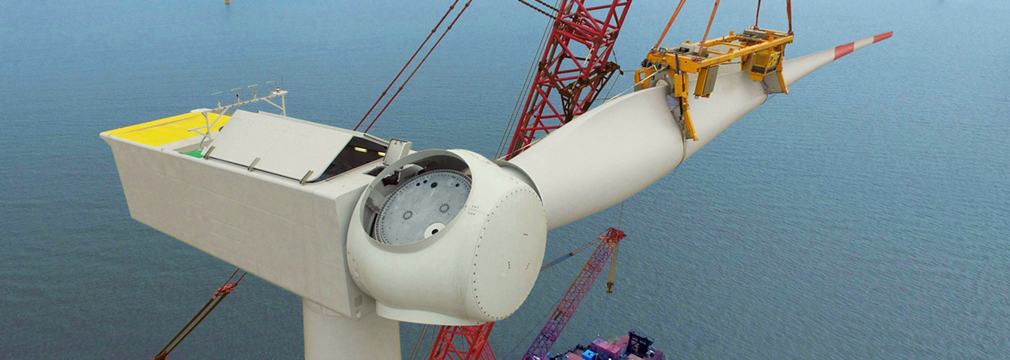
As the UK moves into 2026, offshore wind remains central to national renewable energy strategy, both for decarbonisation and as a driver of industrial growth, investment, and supply-chain demand. Recent policy outcomes, investment signals, and project pipelines indicate a sector transitioning from announcement-driven momentum to execution-focused delivery, with direct implications for procurement strategy.
The most recent Contracts for Difference (CfD) auction marked a significant inflection point for UK offshore wind. With a record 8.4 GW of offshore wind capacity secured, confidence has returned to pipelines previously slowed by inflationary and supply-chain pressures (gov.uk).
For procurement teams, this means a growing number of projects moving into construction, commissioning, and early-stage operations, creating sustained, multi-year demand rather than cyclical, construction-only procurement requirements. Across the sector, there is renewed focus on delivery certainty, where reliability often outweighs headline price.
Several market dynamics are already influencing procurement priorities:
• Execution over announcement: Projects awarded in recent CfD rounds are entering delivery, emphasising suppliers that can perform reliably under operational conditions.
• Refined CfD frameworks: Updates to CfD mechanisms aim to balance cost control with long-term investability (gov.uk).
• Infrastructure and logistics: Port capacity, grid integration, and offshore transport are becoming central considerations for project delivery.
These factors place a premium on supply-chain resilience, risk management, and delivery reliability.
While investment continues, recent project pauses and withdrawals highlight that offshore wind is not immune to commercial pressures. Rising materials costs, limited vessel availability, and tight schedules are reflected in procurement conversations around:
• Lead-time assurance and critical-window availability
• Total cost of ownership (TCO) over simple unit price
• Supplier performance in offshore environments
As more assets move into operation, suppliers’ ability to support live asset maintenance and O&M phases is becoming a key differentiator.
Offshore wind growth is increasingly measured in operational longevity. As assets transition from construction to operation, procurement demand shifts toward:
• Maintenance, inspection, and asset care supplies
• Specialist tooling, PPE, and safety-critical equipment
• Electrical, mechanical, and consumable supplies
• Responsive support for offshore and port-based teams
These recurring requirements create predictable, multi-year procurement cycles, where reliability, compliance, and responsiveness are as valuable as cost.
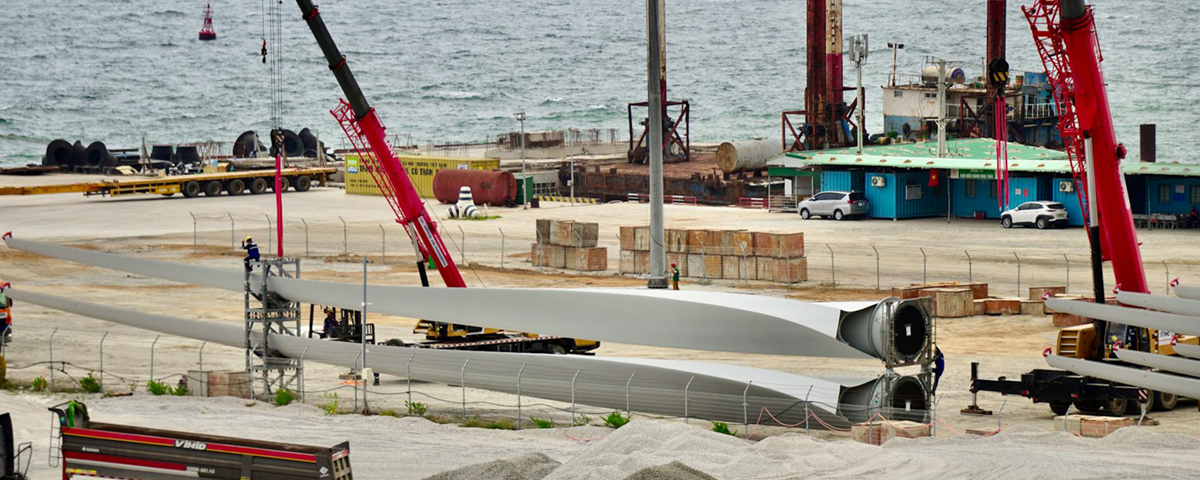
Across the industry, procurement teams are gravitating toward suppliers who:
• Demonstrate reliability in offshore environments
• Offer commercial flexibility across construction and O&M phases
• Maintain local stockholding and port-proximate logistics
• Provide value-added services: kitting, inventory management, technical support
Rather than focusing solely on price, supply partners integrated into operational workflows are increasingly seen as strategic.
As UK offshore wind activity accelerates in 2026, procurement focus is moving toward practical execution support: what works on site, at ports, and offshore, rather than just at contract award.
Across the sector, there is growing curiosity about how suppliers can:
• Improve availability during critical maintenance windows
• Simplify offshore logistics
• Support teams operating under tight safety and compliance requirements
These practical considerations are set to influence procurement conversations throughout 2026 and beyond, offering a glimpse of what reliable, operationally savvy supply partners bring to live projects.
Learn more about effective operational support in offshore wind here.